Yellow patches on your lawn, what they mean and how we can fix them
I love a perfect green lawn just like you, and nothing spoils the pleasure of looking at a lawn more than seeing yellow patches. But are they a sign of an unhealthy lawn or something else? At Total Lawn Solutions, we’re specialists in diagnosing the cause of yellow patches and then prescribing the right course of treatment so you can enjoy the lawn you want.
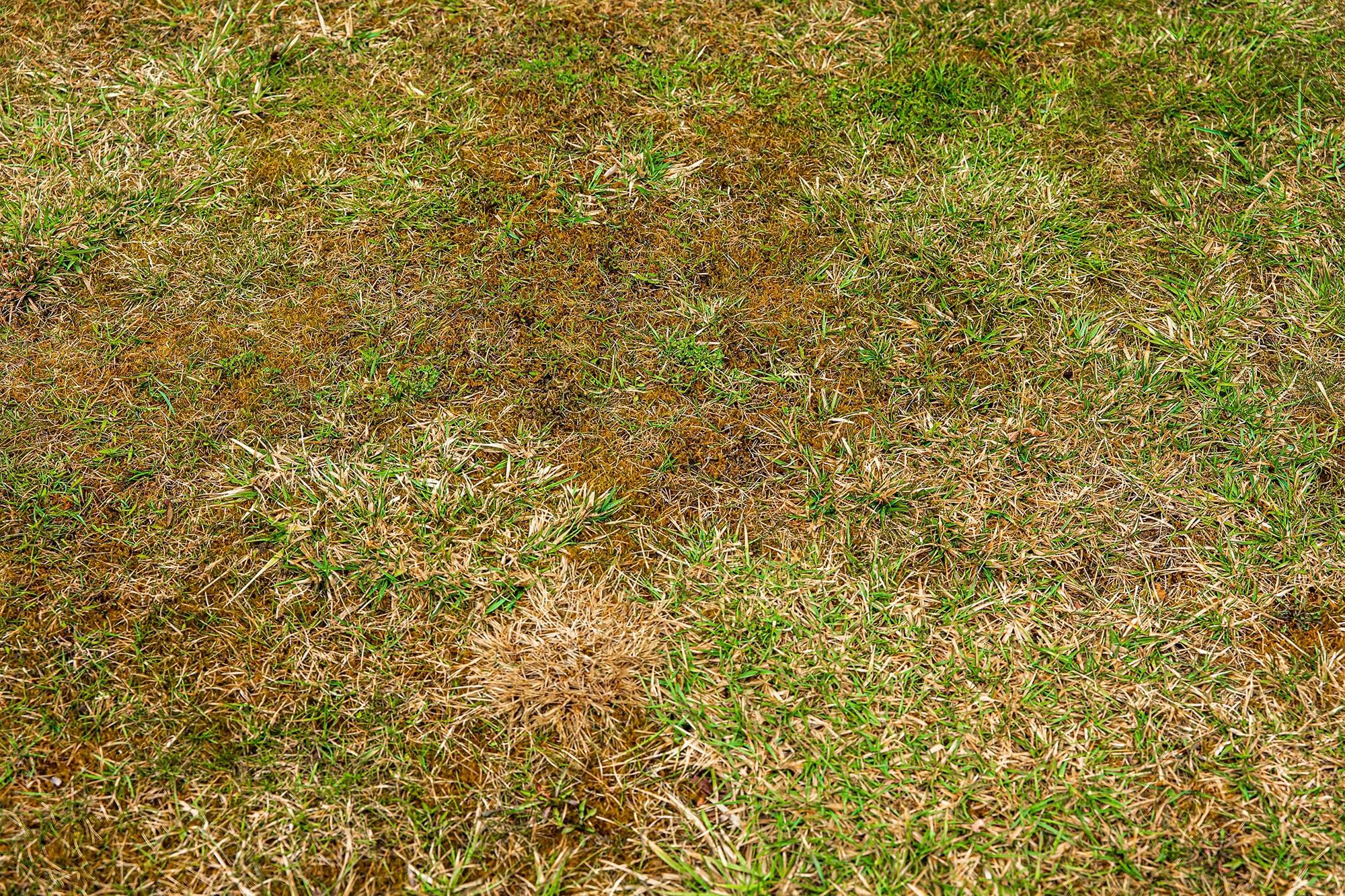
Yellow patches on your lawn can be the symptom of several different conditions:
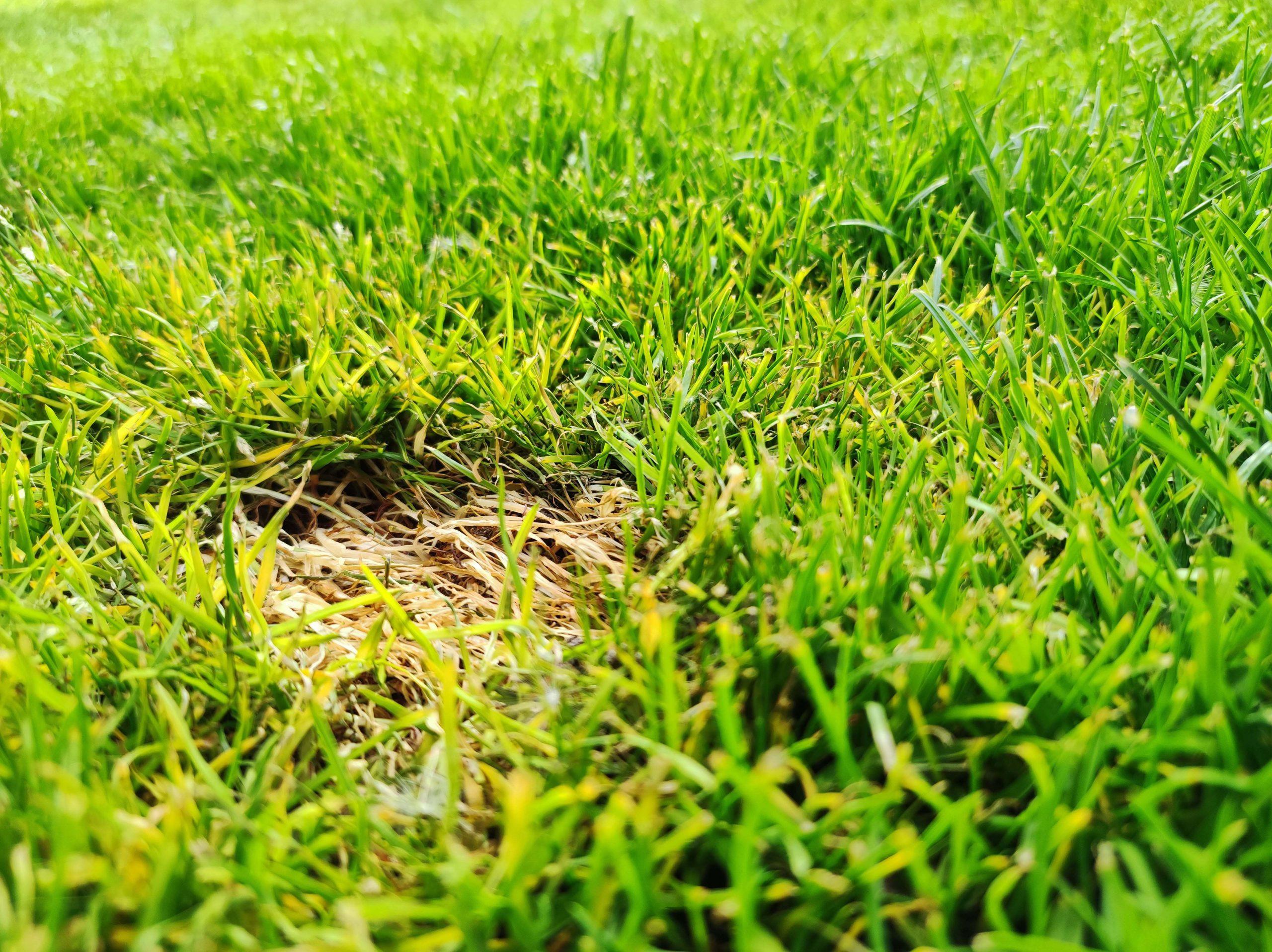
1. Lack of nutrients in the soil
Like any plant, lawn grasses need to draw nutrients from the soil in order to thrive. If they’re not present in your soil in sufficient amounts, your lawn will suffer.
The three primary elements your lawn needs are Nitrogen, Phosphorus, and Potassium, which are together known as NPK.
- Nitrogen (N) is essential for green, leafy growth.
- Phosphorus (P) aids strong root development.
- Potassium (K) builds stress tolerance and contributes to the overall health of your lawn.
Backing up the primary elements are Iron, Sulphur, and Calcium, which help with photosynthesis and produce chlorophyll that makes your lawn look nice and green.
- Sulphur (S) aids greening and helps the plant utilise other nutrients.
- Calcium (Ca) and Magnesium (Mg) support the development of the cell structure and metabolism of the grass.
We can diagnose your lawn to see where it’s nutrient-deficient, and then prescribe the appropriate fertiliser to bring the soil back to health. But unless you know what you’re doing, it’s easy to do more harm than good. That’s why it’s a job for Your Lawn Doctor at Total Lawn Solutions to fix later.
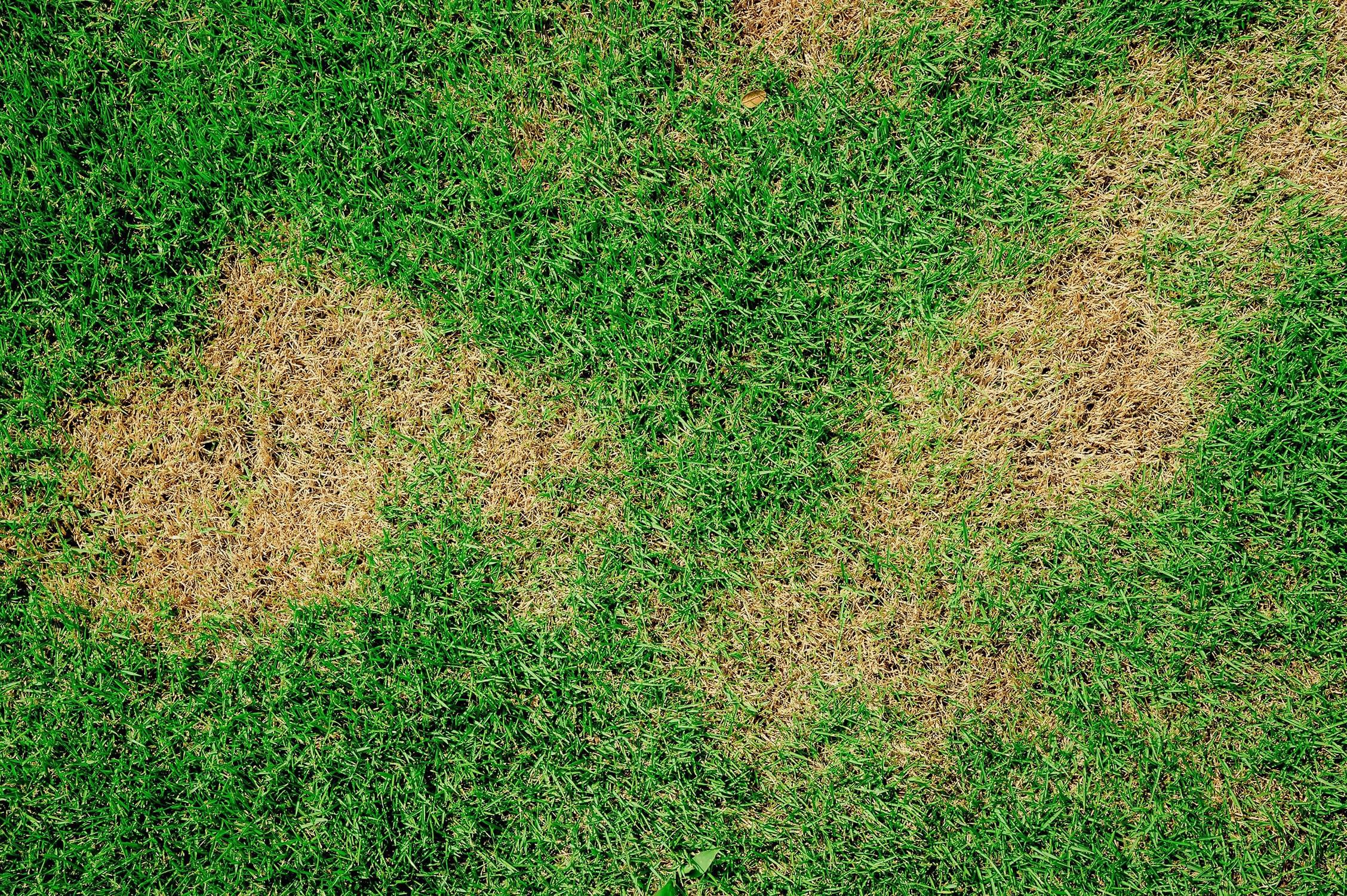
2. Under and over-fertilisation
Most soils need fertilising to get the balance of nutrients right for healthy grass growth. But it’s not a matter of just heading to the garden centre, grabbing some off the shelf and sprinkling it on your lawn, hoping for the best. Lawn fertilising needs to be done right.
Under-fertilising can lead to:
- Slow growth and yellow patches.
- Weeds and pests. Without sufficient nutrients, the grass can’t form dense turf, so weeds can move in, and it’s less resistant to insects.
- Lower resilience to stress from heat or drought.
Over-fertilising can lead to:
- Fertiliser Burn – the high salt levels in fertiliser pull moisture from the roots, leaving scorched patches or streaks. Salt buildup can also inhibit the grass’s ability to absorb water.
- Nitrogen forces rapid growth of leaves, but the root growth can’t keep up. That can result in a fragile, shallow-rooted lawn with too much thatch, which can lead to disease and fungal growth.
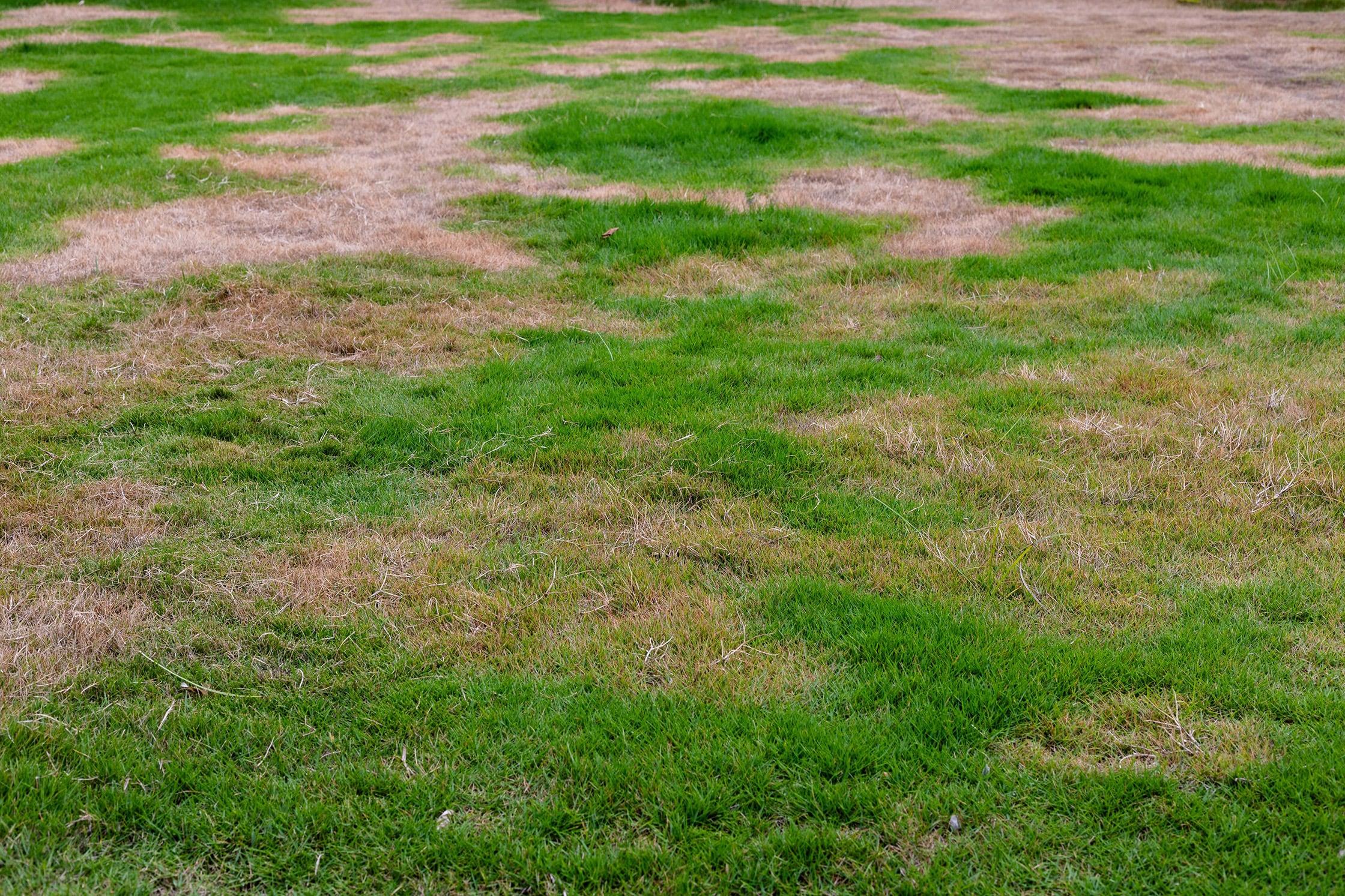
3. It’s growing season!
When it’s growing season and your lawn is growing quickly it can become stressed due to a lack of nutrients, water, disease, and pests – which all thrive in warm, wet conditions. We can help keep your lawn healthy throughout the growing season with a professional lawn management programme.
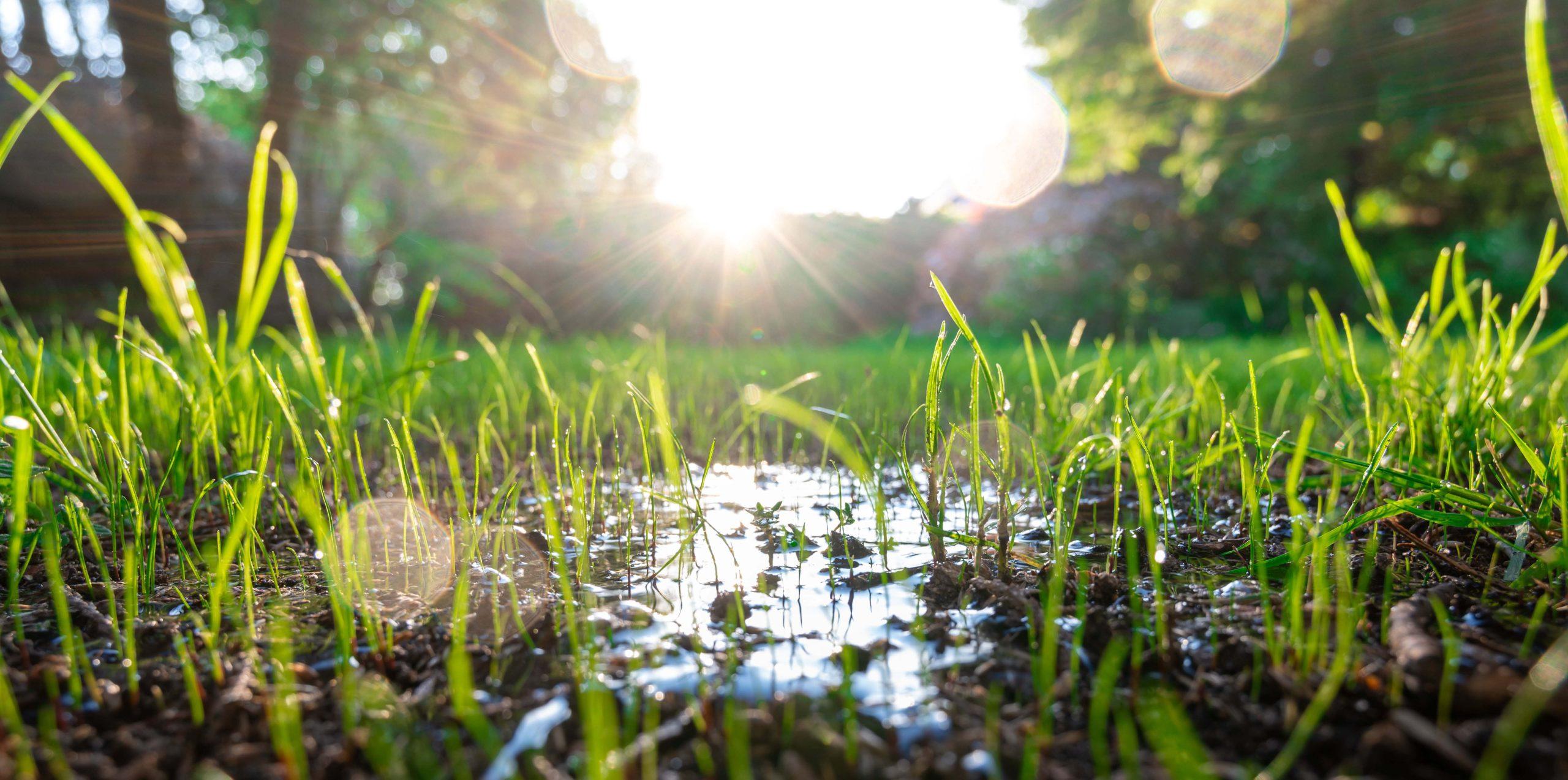
4. Under or overwatering
Different lawns require different amounts of water. The amount you need depends on a range of factors, which we can determine when we visit your property. Get in touch to arrange a time for us to come to your place.
Underwatering:
- Yellow patches that steadily go brown – that’s the grass going dormant to survive what it thinks is a drought.
- Drought-tolerant weeds will thrive.
- Insufficient moisture forces roots to stay near the surface, limiting their ability to find water.
Overwatering:
- Overwatering can be worse than under-watering, because it can drown the roots leading to rot. Excess moisture creates the perfect environment for fungal growth.
- Weeds and insects thrive in moist environments.
- Constant moisture reduces the decomposition rate of grass, leading to a thick layer of thatch.
5. Soil Compaction
A yellow lawn is a sign of possible excessive soil compaction. When soil has been tightly packed by construction machinery, previous building work, or by high foot traffic like tennis courts it will restrict root growth and reduce air, water, and nutrient absorption. You might see runoff and puddling after heavy rain, which is another way weeds and diseases can take hold.
We can aerate the soil to allow oxygen in, roots to grow, and water to drain.
6. Dull lawn mower blades
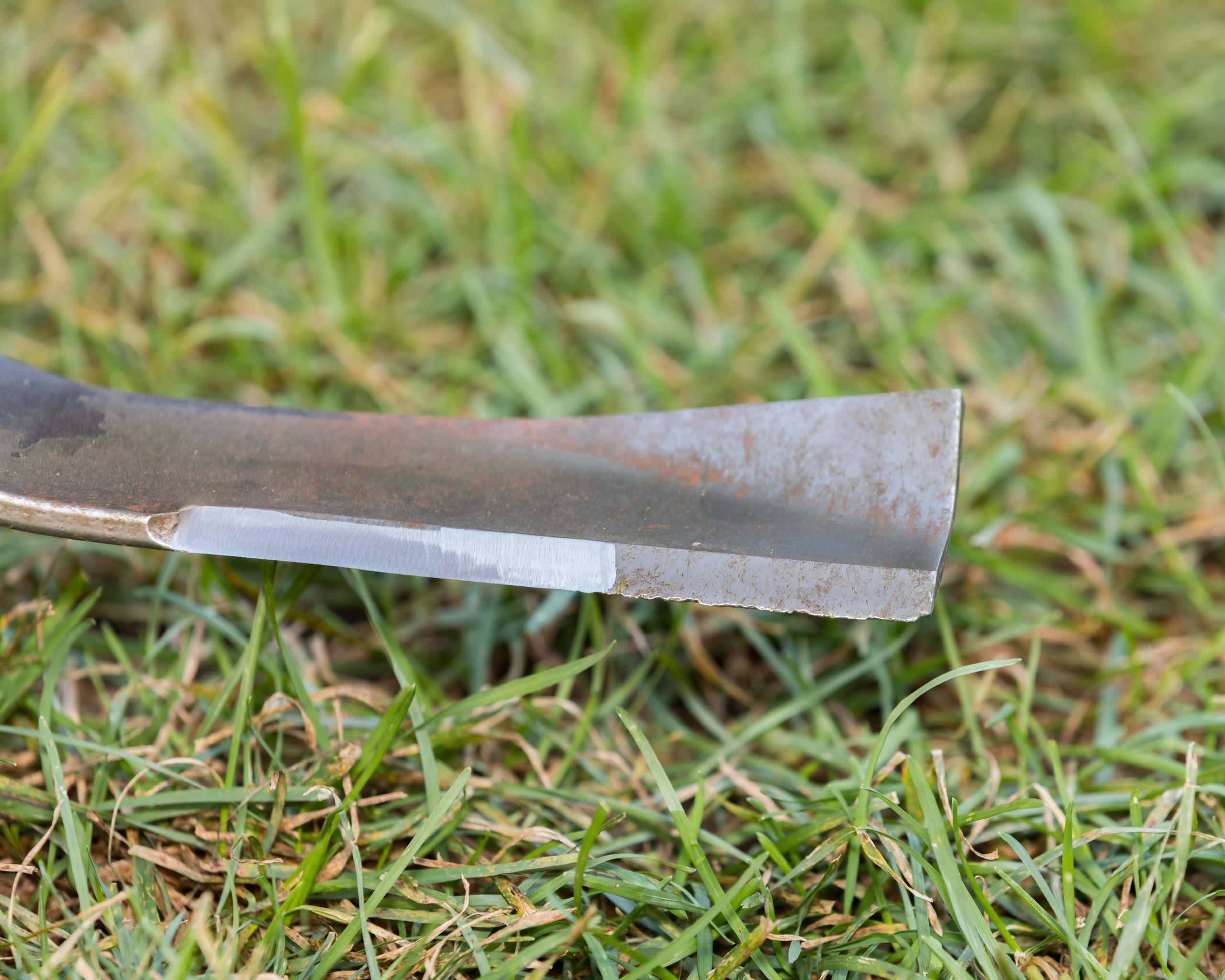
A nice sharp blade will cut the grass cleanly, but a blunt blade will just hack at it. Torn grass rather than cut grass is a very common cause of a yellow lawn. Happily, it’s one of the easiest causes to fix, just by getting your lawn mower blades professionally sharpened to a fine edge.
Bring your lawn back to health the easy way
If you have yellowing and you think your lawn needs some intensive care to bring it back to its best, get in touch with us at Total Lawn Solutions. We’ve revived hundreds of unhealthy lawns throughout Christchurch and know exactly what needs to be done. Whether you’re after a lawn that looks like a bowling green or just want a resilient lawn that will stand up to the rough and tumble of family life, we’re here to help.
We look forward to caring for your lawn.